MATERIAL ATLAS
A working archive of materials made from mixed textile waste. Six families already discovered, catalogued by composition, construction and value pathway.
UPDATED 2026-07-30
01
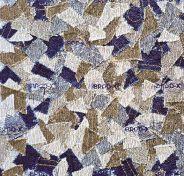
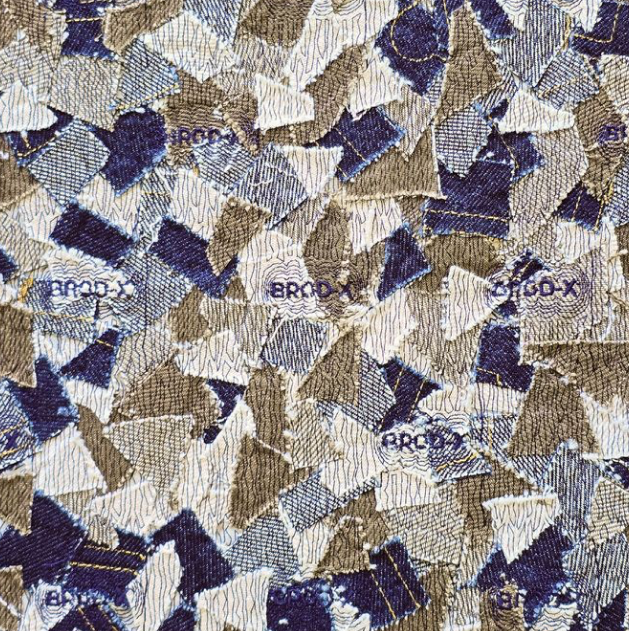
Fragmented Surfaces
Materials where textile fragments remain visible and become part of the final surface identity.
6 materials
Visible waste origin
Strong material diversity
Highly expressive surfaces
02
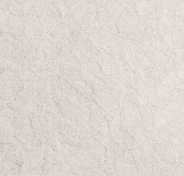
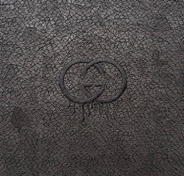
Monoliths
Materials with a more homogeneous appearance where the original textile inputs become less visible.
8 materials
Continuous surfaces
Reduced visual complexity
Increased focus on texture and finish
03
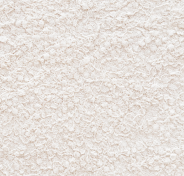
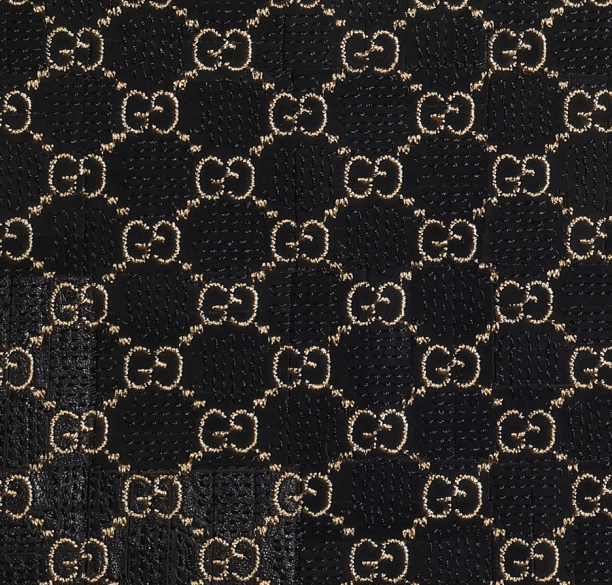
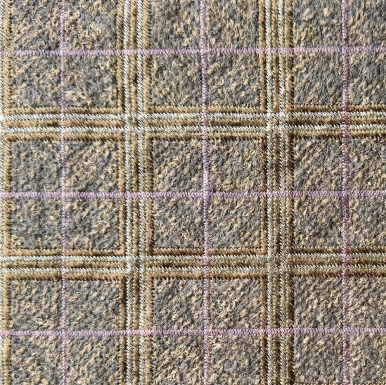
Structured Textiles
Materials that resemble familiar textile categories such as tweeds, bouclés, upholstery fabrics, and woven structures.
4 materials
Recognizable textile language
High market readability
Strong relevance for fashion and interior applications
04
Regenerated Leather Compositions
Materials produced through controlled placement and composition of leather fragments and premium waste streams.
3 materials
Significant manual intervention
Lower repeatability
Premium positioning potential
05
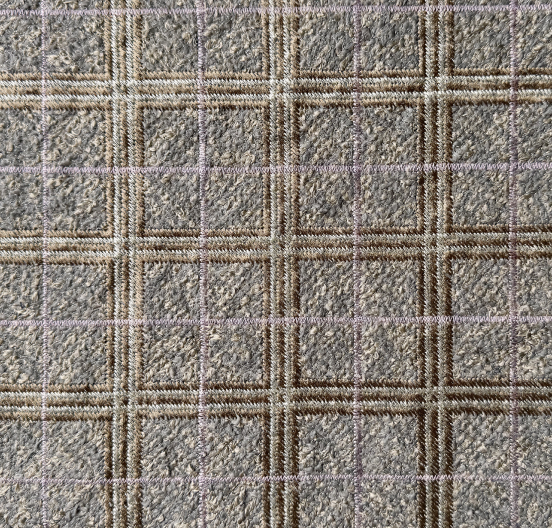
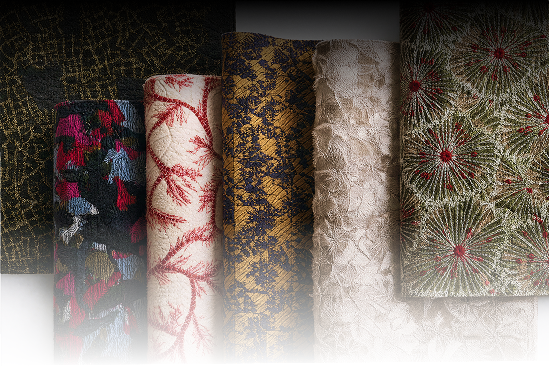
Pattern-Based Materials
Materials where visual patterns emerge during the regeneration process itself.
7 materials
Process-generated aesthetics
Strong visual differentiation
Limited post-processing requirements
06
Experimental Structures
Samples that do not currently fit established categories. These materials are retained as part of ongoing exploration and may inform future machine capabilities or application opportunities.
6 materials
Open classification
Informs future machine capability
Application scouting
Access
Request physical samples.
We work with selected partners on pilot manufacturing, industrial integration and design-led applications.
GET IN TOUCH
MATERIAL ATLAS
A working archive of materials made from mixed textile waste. Six families already discovered, catalogued by composition, construction and
value pathway.
6 families
128 specimens
2026-07-30
BROWSE THE FAMILIES
REQUEST PHYSICAL SAMPLES
01
FRAGMeNTED SURFACES
6 materials
Materials where textile fragments remain visible and become part of the final surface identity.
Visible waste origin
Strong material diversity
Highly expressive surfaces
02
MONOLITHS
8 materials
Materials with a more homogeneous appearance, where the original textile inputs become less visible.
CONTINUOUS SURFACES
REDUCED VISUAL COMPLEXITY
INCREASED FOCUS ON
TEXTURE AND FINISH
03
STRUCTURED TEXTILES
4 materials
Materials that resemble familiar textile categories such as tweeds, boucles, upholstery fabrics, and woven structures.
RECOGNIZABLE TEXTILE LANGUAGE
HIGH MARKET READABILITY
STRONG RELEVANCE FOR FASHION
AND INTERIOR APPLICATIONS
04
REGENERATED LEATHER сompositions
3 materials
Materials produced through controlled placement and composition of leather fragments and premium waste streams.
SIGNIFICANT MANUAL INTERVENTION
LOWER REPEATABILITY
PREMIUM POSITIONING POTENTIAL
05
PATTERN-BASED MATERIALS
7 materials
Materials where visual patterns emerge during the regeneration process itself.
PROCESS-GENERATED AESTHETICS
strong VIsUAL DIffErEnTIATION
LIMITED POST-PROCESSING REQUIREMENTS
06
EXPERIMENTAL STRUCTURES
6 materials
Samples that do not currently fit established categories. These materials are retained as part of ongoing exploration and may inform future machine capabilities or application opportunities.
Open classification
Informs future machine capability
Application scouting
Access
Request 
physical
samples.
We work with selected partners on pilot
manufacturing, industrial integration and  
design-led applications.
GET IN TOUCH